

San Francisco’s position as a global business hub creates unique opportunities, but companies face significant difficulties in international business operations. From complex regulatory compliance to currency risks, these challenges can derail expansion plans.
We at Primum Law Group understand that successful global operations require strategic planning and legal guidance. The right approach transforms obstacles into competitive advantages.
What Challenges Do International Businesses Face in San Francisco
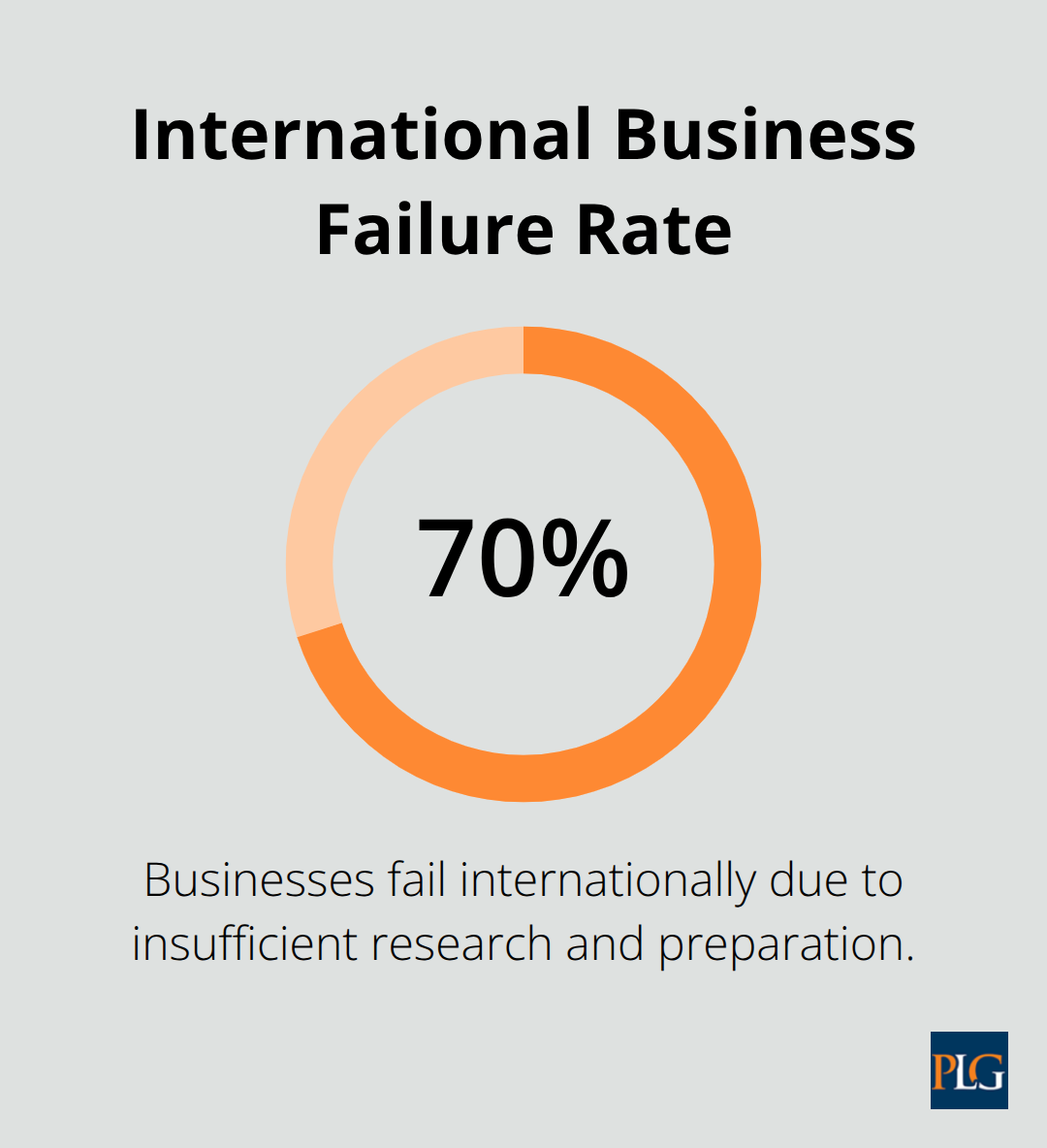
San Francisco companies that expand globally face three major operational hurdles that drain resources and derail growth plans. Regulatory compliance across multiple jurisdictions creates the most expensive problems, with McKinsey data showing that 70% of businesses fail internationally due to insufficient research and preparation.
The International Trade Administration reports 45% of San Francisco firms face intellectual property rights issues abroad, while complex tax structures vary dramatically between countries. Companies must navigate these regulatory mazes without clear roadmaps.
Currency Volatility Threatens Financial Stability
Currency fluctuations compound regulatory problems significantly. U.S. companies lost $28.94 billion in Q4 2022 alone from exchange rate differences, according to financial sector analysis. Forward contracts and currency options help, but require active management and capital allocation that smaller firms struggle to maintain.
Exchange rate movements can eliminate profit margins overnight. Companies need sophisticated hedging strategies to protect their international revenues and maintain predictable cash flows.
Communication Barriers Create Hidden Costs
Cultural misunderstandings generate measurable business losses that most companies underestimate. Harvard Business Review research indicates that executives with high cultural intelligence succeed 3.5 times more often in cross-border assignments.
Language barriers affect 60% of international operations, making multilingual staff necessary rather than optional. Direct American communication styles often backfire in Asian markets, requiring complete strategy overhauls (particularly in negotiation approaches).
Non-verbal communication differences create additional friction in partnerships. San Francisco’s multicultural workforce provides advantages here, with over 40% of Bay Area residents born outside the United States, but companies must systematically leverage this diversity.
Supply Chain Visibility Remains Limited
KPMG found that only 31% of companies can trace their tier 1 suppliers effectively. This lack of visibility creates compliance risks and operational blind spots that regulators increasingly scrutinize.
Companies struggle to monitor labor practices and environmental standards throughout their global supply chains. The complexity increases exponentially with each additional supplier tier (making comprehensive oversight nearly impossible without advanced tracking systems).
These operational challenges require systematic solutions that address legal compliance, financial risk management, and cultural adaptation simultaneously.
How Do International Legal Requirements Impact Business Operations
Complex Regulatory Compliance Across Jurisdictions
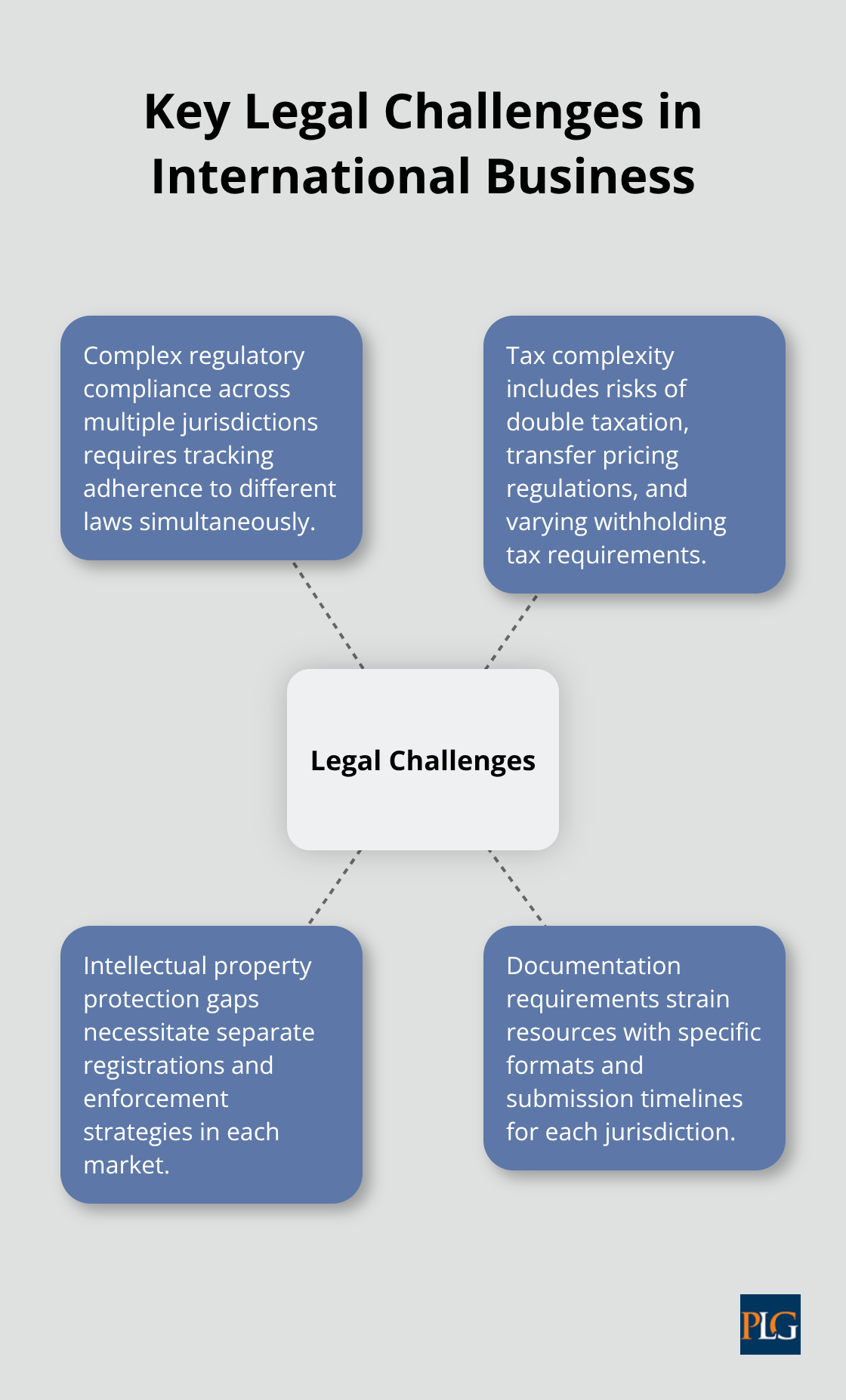
International trade laws create compliance obligations that differ dramatically between jurisdictions, which makes standardized approaches ineffective. The World Bank indicates that political stability directly impacts investment decisions, but legal complexity remains constant regardless of stability.
Companies must establish compliance systems that track regulatory adherence across multiple countries simultaneously. Each jurisdiction maintains different reporting requirements, documentation standards, and enforcement mechanisms that change without warning.
Tax Complexity Multiplies Operational Burden
Tax implications compound these legal complexities exponentially. International businesses face double taxation risks, transfer pricing regulations, and withholding tax requirements that change frequently.
The U.S. Department of Treasury requires detailed documentation for related-party transactions, while European Union regulations demand country-by-country reporting for multinational corporations. Companies that operate in San Francisco must navigate California state taxes alongside federal obligations, then layer foreign tax requirements on top.
Intellectual Property Protection Gaps Create Vulnerabilities
Intellectual property protection requires separate registration in each target market, with enforcement mechanisms that vary significantly between countries. Patent protection in the United States follows different standards than European or Asian markets (which creates gaps that competitors exploit).
Trademark registrations must account for local language requirements and cultural sensitivities that impact brand protection strategies. Trade secret protection depends entirely on local laws, which makes confidentiality agreements necessary but insufficient for global operations.
Documentation Requirements Strain Resources
Each jurisdiction demands specific documentation formats and submission timelines that rarely align with other markets. Companies spend substantial resources on compliance teams that specialize in individual country requirements rather than strategic business development.
The documentation burden increases exponentially with each new market entry, as legal teams must master local filing procedures and maintain relationships with regulatory bodies across multiple time zones.
These legal frameworks directly influence how companies structure their international operations and allocate resources for market expansion strategies. Ethical challenges often emerge when navigating these complex requirements across different cultural and legal contexts.
How to Build Winning International Business Strategies
Establish Strategic Local Partnerships
Local partnerships accelerate market entry and reduce operational risks significantly more than independent expansion strategies. Companies that utilize local alliances report 40% faster expansion into new markets according to business development data. These partnerships provide immediate access to regulatory knowledge and cultural insights that take years to develop independently.
San Francisco firms should prioritize joint ventures with established local companies rather than attempt solo market penetration. These partnerships offer shared risk structures, local market credibility, and established distribution channels that bypass common entry barriers. Local partners understand regulatory requirements and cultural nuances that foreign companies often miss (which prevents costly mistakes during market entry).

Implement Comprehensive Risk Management Systems
Risk management systems must integrate financial protection with operational contingency plans to protect against multiple threat vectors simultaneously. Forward contracts, currency options, and swaps mitigate exchange rate volatility effectively. Comprehensive supply chain oversight prevents compliance violations that damage company reputation and create legal liabilities.
Companies should implement automated systems that track regulatory changes across all operational jurisdictions. Mobile applications enable immediate response to threats and provide real-time alerts when compliance issues emerge. These systems reduce response times from days to hours when problems arise.
Leverage Advanced Technology Solutions
Technology platforms streamline international operations through AI-powered risk assessment tools and blockchain-based supply chain transparency systems. These platforms provide real-time visibility into global operations and identify potential problems before they escalate into major issues.
Digital transformation priorities show 70% of San Francisco businesses focus on technology adoption to maintain competitive advantages in international markets. Systematic technology integration becomes necessary rather than optional for sustained global success. Companies that delay technology adoption fall behind competitors who embrace digital solutions early.
Monitor Supply Chain Transparency
Supply chain transparency requires active oversight rather than passive compliance checks. Blockchain technology enables companies to track products from origin to final destination, which creates accountability throughout the entire supply chain. This visibility helps companies identify labor violations and environmental issues before they become public relations disasters.
Companies should establish supplier verification programs that include regular audits and performance metrics. These programs identify weak links in the supply chain and provide opportunities to strengthen relationships with reliable suppliers while eliminating problematic partners.
Final Thoughts
Companies that address difficulties in international business through systematic approaches achieve sustainable global growth. Strategic local partnerships reduce market entry risks while advanced technology solutions provide real-time operational visibility. Professional legal guidance protects companies from regulatory violations and intellectual property theft across multiple jurisdictions.
International expansion delivers benefits that extend beyond revenue diversification. Global operations provide access to new talent pools, innovative technologies, and emerging market opportunities that domestic companies cannot reach. San Francisco businesses with international operations demonstrate higher resilience during economic downturns and maintain stronger competitive positions in their home markets.
Complex regulatory requirements across multiple jurisdictions demand proactive legal strategies rather than reactive approaches. We at Primum Law Group provide tailored legal advice for international corporate transactions and business compliance (which helps companies avoid costly mistakes during global expansion). Companies that invest in proper legal frameworks from the start protect their operations and maintain compliance across all markets.