

San Francisco’s bustling international business scene brings unique ethical challenges. At Primum Law Group, we’ve seen firsthand how companies grapple with cultural differences, labor rights, and environmental responsibilities across borders.
International business ethics in this global hub demands careful navigation and constant adaptation. This post explores key ethical issues San Francisco companies face when operating internationally and offers practical strategies for maintaining integrity in a complex global marketplace.
How San Francisco Businesses Navigate Cultural Differences
Embrace Cultural Intelligence
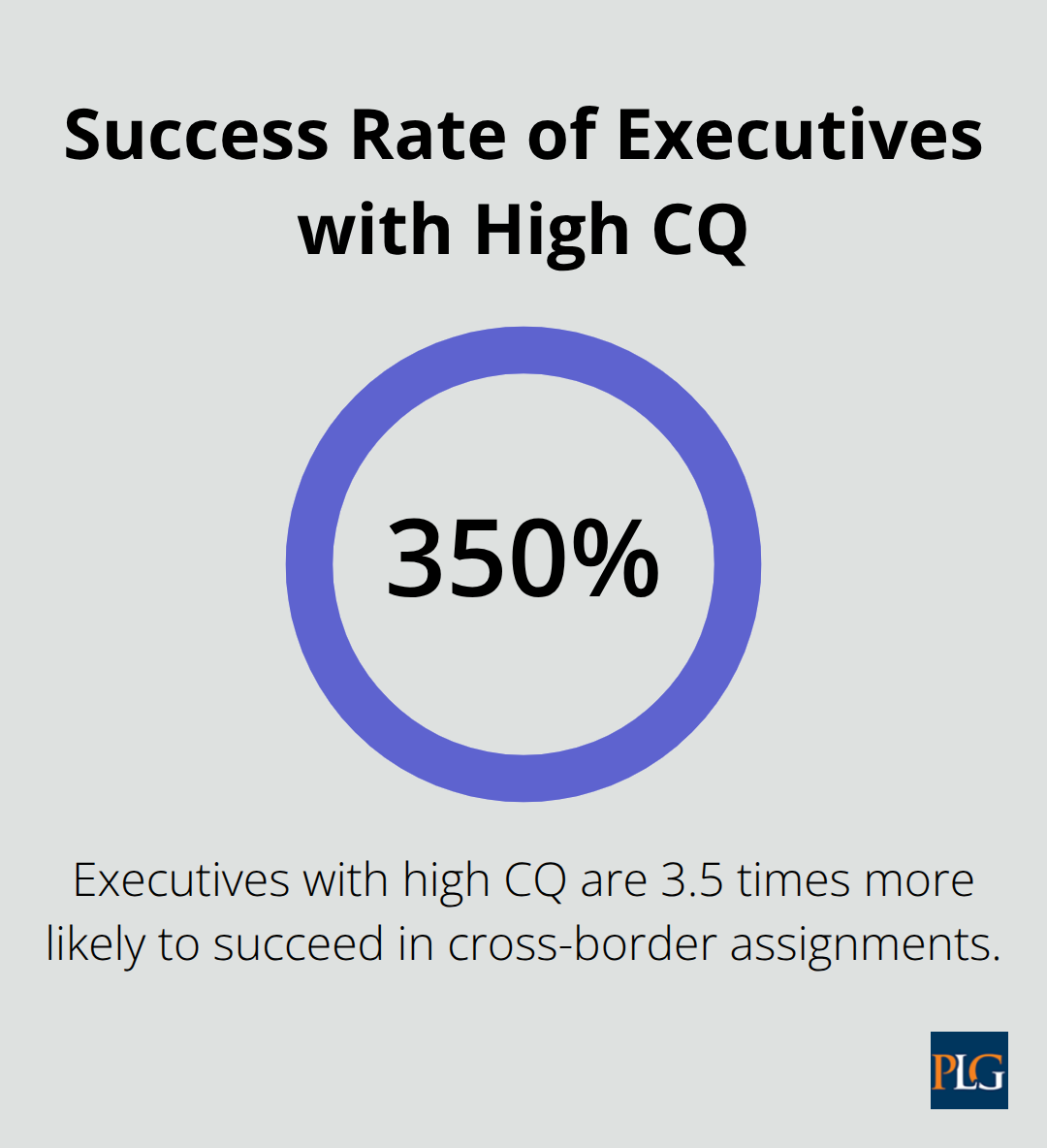
Cultural intelligence (CQ) plays a vital role for San Francisco businesses entering international markets. A Harvard Business Review study reveals that executives with high CQ are 3.5 times more likely to succeed in cross-border assignments. To improve your CQ:
- Invest in thorough cultural training for your team.
- Motivate employees to learn a second language relevant to your target markets.
- Form diverse teams to incorporate multiple perspectives into your international strategies.
Master Non-Verbal Communication
Non-verbal cues differ significantly across cultures. For instance, prolonged eye contact in Japan can appear aggressive, while in the U.S., it often signals confidence. San Francisco companies should:
- Educate employees on culture-specific body language and gestures.
- Utilize video calls to observe non-verbal cues during international meetings.
- Respect personal space norms, which vary greatly between cultures.
Adapt Your Negotiation Style
Negotiation tactics that succeed in San Francisco might not work elsewhere. Direct communication, valued in the U.S., can offend in many Asian cultures. To adapt:
- Study culture-specific negotiation styles before entering talks.
- Practice patience – some cultures prioritize relationship-building over quick deals.
- Use local intermediaries who understand both cultures to facilitate negotiations.
Leverage Technology for Cultural Understanding
Technology offers powerful tools to bridge cultural gaps:
- Use translation apps (e.g., Google Translate) for real-time communication assistance.
- Implement cultural intelligence platforms (such as CultureWizard) to provide employees with country-specific insights.
- Create virtual reality simulations of cross-cultural business scenarios for immersive training.
Build a Culturally Aware Company Culture
To truly excel in international business, cultural awareness must permeate your entire organization:
- Establish a diversity and inclusion committee to guide cross-cultural initiatives.
- Celebrate international holidays and cultural events in your office.
- Encourage international assignments and exchanges to broaden employees’ cultural perspectives.
San Francisco’s unique position as a global business hub offers countless opportunities for companies willing to invest in cultural understanding. As businesses master these skills, they pave the way for the next challenge: addressing labor and human rights issues in global supply chains.
Tackling Labor Rights in Global Supply Chains
Auditing Your Supply Chain
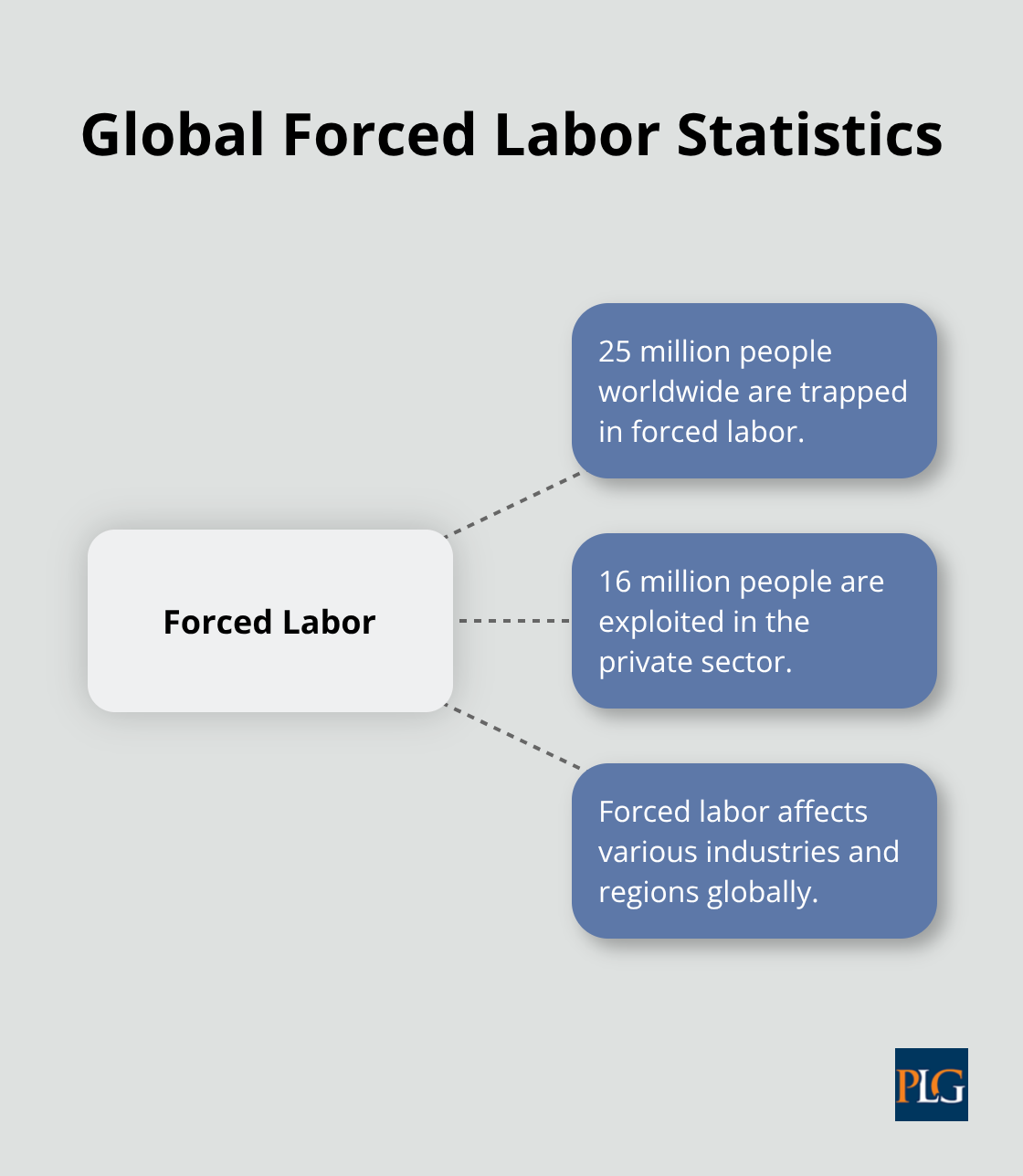
San Francisco companies that operate internationally must address significant challenges to ensure fair labor practices across their global supply chains. The International Labour Organization reports that 25 million people worldwide are trapped in forced labor, with 16 million exploited in the private sector. This stark reality demands immediate action from businesses.
A KPMG study found that only 31% of companies can trace their tier 1 suppliers. To improve supply chain visibility, companies should:
- Implement blockchain technology to track products from source to consumer.
- Conduct regular, unannounced audits of supplier facilities.
- Partner with local NGOs for on-the-ground intelligence and monitoring.
Combating Child and Forced Labor
The U.S. Department of Labor reports that 152 million children are still engaged in child labor globally. To combat this issue, businesses must:
- Require suppliers to provide age verification for all workers.
- Invest in education programs in high-risk communities.
- Implement a zero-tolerance policy for child labor (with immediate contract termination for violations).
Ethical Sourcing Strategies
San Francisco-based companies can lead the way in ethical sourcing. The Ethical Trading Initiative suggests several strategies:
- Pay suppliers fair prices to enable living wages for workers.
- Provide long-term contracts to encourage stable employment.
- Offer training and capacity building to improve working conditions.
Technology-Driven Solutions
Innovative technologies play a crucial role in addressing labor rights issues:
- Use AI-powered risk assessment tools to identify potential labor violations.
- Implement mobile apps that allow workers to report concerns anonymously.
- Utilize satellite imagery and drones to monitor remote work sites for signs of exploitation.
Collaboration and Industry Initiatives
Companies shouldn’t tackle these challenges alone. Collaborative efforts can lead to more significant impact:
- Join industry-specific initiatives (such as the Fair Labor Association for the apparel sector).
- Participate in multi-stakeholder programs that bring together businesses, governments, and NGOs.
- Share best practices and lessons learned with other companies in your industry.
As San Francisco businesses make strides in addressing labor rights issues, they must also consider the environmental impact of their global operations. The next chapter will explore how companies can balance profit with environmental stewardship across borders.
How San Francisco Businesses Can Go Green Globally
San Francisco companies that expand internationally face unique environmental challenges. To balance profit with eco-responsibility across borders requires strategic planning and innovative solutions.
Set Global Environmental Standards
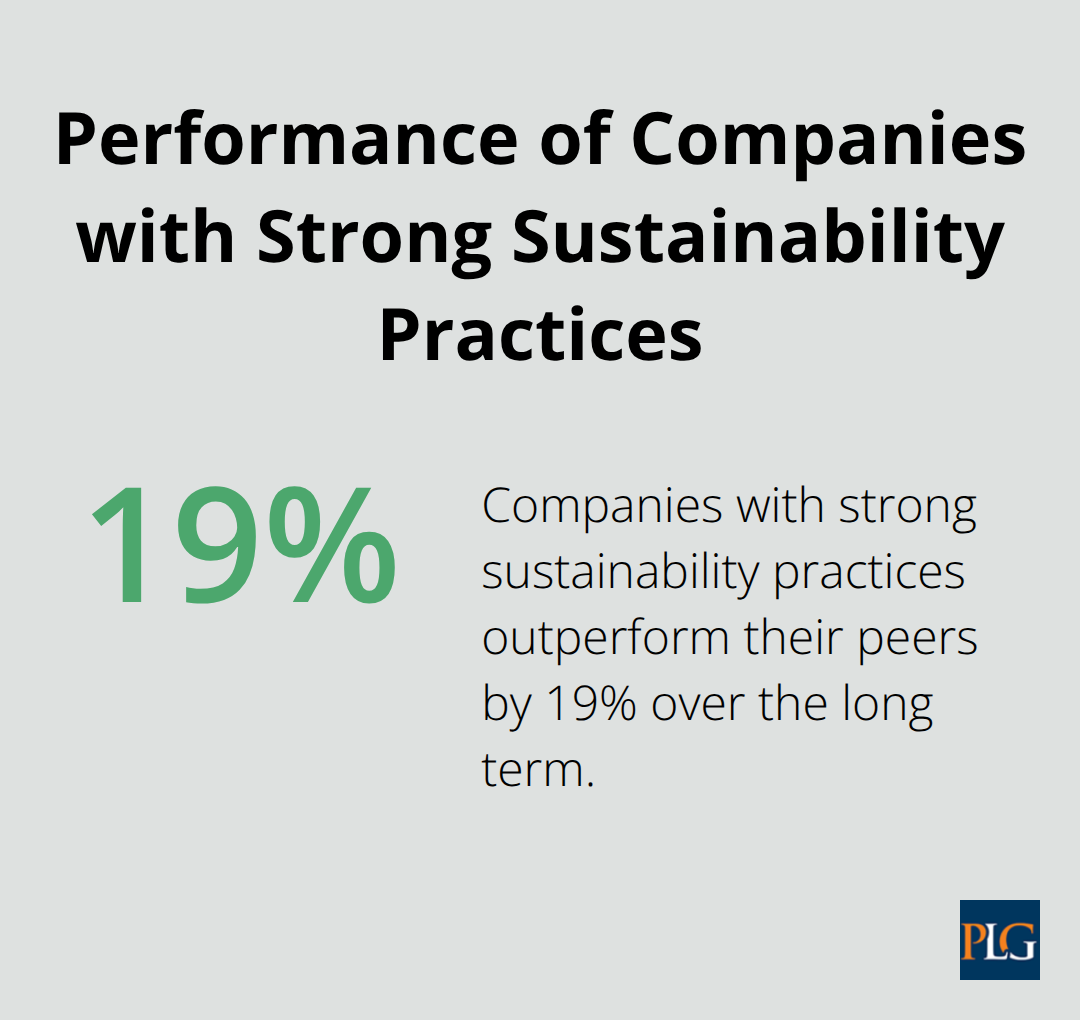
Many San Francisco businesses struggle to maintain consistent environmental practices across diverse regulatory landscapes. A McKinsey study found that companies with strong sustainability practices outperform their peers by 19% over the long term. To achieve this:
- Establish company-wide environmental standards that meet or exceed the strictest regulations in any market you operate in.
- Implement an Environmental Management System (EMS) like ISO 14001 to standardize practices across all locations.
- Conduct regular environmental audits of all facilities (including those of suppliers and partners).
Navigate International Environmental Regulations
Compliance with varying environmental laws across countries can be complex. The World Bank reports that 65% of developing countries have strengthened their environmental regulations since 2010. To stay compliant:
- Create a dedicated team or partner with local experts to monitor regulatory changes in each market.
- Develop a centralized database of environmental requirements for all operating locations.
- Invest in compliance management software to track and report on regulatory adherence across borders.
Manage Sustainable Supply Chains
A company’s environmental impact extends far beyond its own operations. According to CDP, supply chain emissions are on average 5.5 times higher than a company’s direct emissions. To address this:
- Map your entire supply chain and assess the environmental impact at each stage.
- Set clear sustainability criteria for suppliers and include these in contracts.
- Offer incentives or support to help suppliers improve their environmental performance.
Implement Green Technologies
Innovative technologies can help businesses reduce their environmental footprint:
- Try to use renewable energy sources (such as solar or wind power) in all global facilities.
- Implement smart building systems to optimize energy use and reduce waste.
- Utilize eco-friendly packaging materials and design products for easy recycling or reuse.
Foster a Global Green Culture
To truly succeed in global environmental responsibility, companies must cultivate a sustainability-focused culture:
- Provide environmental training to employees at all levels and locations.
- Establish green teams in each office to drive local sustainability initiatives.
- Create a global sustainability report to track progress and share best practices across the organization.
San Francisco businesses looking to expand globally while maintaining strong environmental practices face numerous challenges, but with careful planning and implementation, they can successfully navigate these issues and become leaders in sustainable international business.
Final Thoughts
San Francisco businesses that venture into international markets face complex ethical challenges. These challenges span cultural differences, fair labor practices, and environmental responsibility. Companies that prioritize integrity and social responsibility contribute to a better world and gain a competitive edge.
Ethical leadership in San Francisco’s global business community drives success in the international arena. Research shows that ethical businesses enjoy stronger customer loyalty, attract top talent, and often outperform their less scrupulous counterparts financially. Primum Law Group helps companies navigate the complexities of international business ethics, providing tailored legal advice to ensure compliance and foster sustainable growth.
The path towards ethical international business requires continuous improvement. This involves staying informed about changing regulations, investing in cultural intelligence, and fostering open dialogue about ethical dilemmas within organizations. San Francisco companies must remain committed to these principles to lead the way in creating a more ethical, sustainable, and prosperous global economy.