

Venture capital powers innovation across San Francisco’s tech ecosystem, yet many entrepreneurs struggle to understand how this complex funding mechanism actually operates.
We at Primum Law Group see firsthand how venture capital transforms promising startups into industry leaders through strategic investments and legal frameworks.
The process involves multiple stakeholders, intricate documentation, and regulatory requirements that can make or break a deal.
How Do VCs Actually Make Investment Decisions
Deal Flow Screening Eliminates Most Opportunities
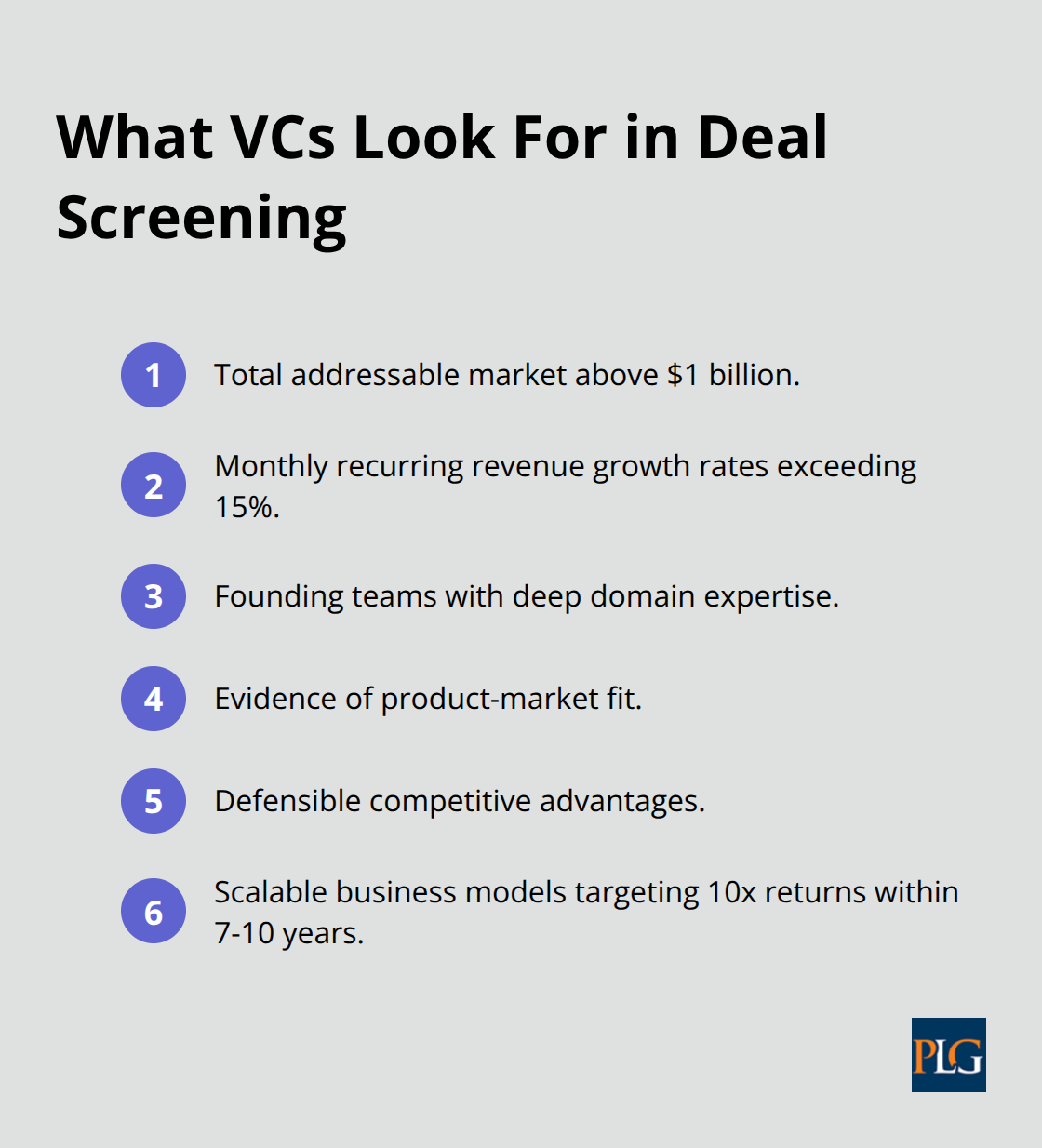
Venture capital firms receive approximately 1,000 deal submissions annually but invest in only 2-4 companies according to the National Venture Capital Association. Partners apply pattern recognition to identify specific market signals: total addressable market size above $1 billion, monthly recurring revenue growth rates exceeding 15%, and founding teams with deep domain knowledge. San Francisco VCs like Andreessen Horowitz and Sequoia Capital maintain strict investment criteria that demand evidence of product-market fit, defensible competitive advantages, and scalable business models capable of 10x returns within 7-10 years.
Term Sheet Negotiations Define Deal Structure
Term sheet negotiations establish the financial and control framework for every venture deal. Standard Series A rounds in San Francisco average $15 million with post-money valuations between $50-80 million (based on PitchBook data from 2023). The liquidation preference typically spans from 1x to 2x non-participating preferred, while anti-dilution provisions protect investors during down rounds. Board composition divides control between founders, investors, and independent directors with investors securing information rights, pro rata participation rights, and drag-along provisions. These negotiations consume 30-60 days and require experienced legal counsel to navigate complex valuation methodologies and governance structures.
Active Portfolio Management Creates Value
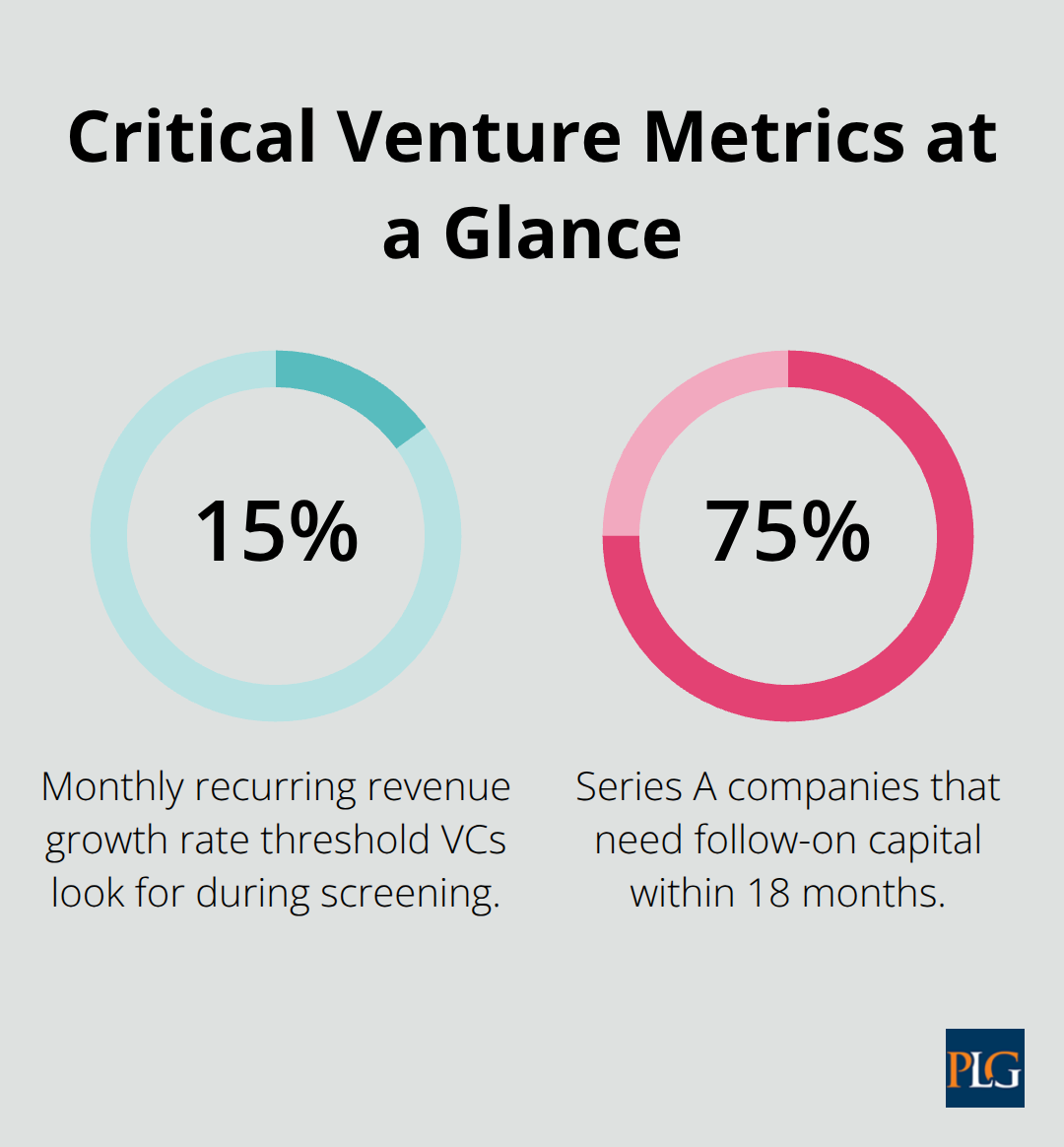
Successful venture firms generate returns through hands-on portfolio management rather than passive investment approaches. Top-tier VCs allocate 40-60% of partner time to support existing portfolio companies through strategic hiring, customer introductions, and operational guidance. Firms like Greylock Partners maintain dedicated platform teams that provide portfolio companies with access to executive recruiting, marketing support, and technical resources. The most effective post-investment support includes quarterly board meetings with detailed performance metrics, annual strategic planning sessions, and proactive assistance during subsequent funding rounds where 75% of Series A companies need follow-on capital within 18 months.
Being transparent about investment process and decision-making criteria builds trust with entrepreneurs throughout these relationships.
Understanding these investment mechanics sets the foundation for examining the diverse stakeholders who shape venture capital transactions.
Who Controls the Money in Venture Capital Deals
General Partners Drive Investment Strategy and Execution
General Partners at venture capital firms make all investment decisions and bear fiduciary responsibility for Limited Partner capital. These partners typically contribute 1-2% of total fund capital while they manage 98-99% from institutional investors (according to the National Venture Capital Association). San Francisco GPs like those at Accel Partners and Bessemer Venture Partners dedicate 60-80 hours weekly to source deals, conduct due diligence, and support portfolio companies. Their compensation structure aligns with fund performance through carried interest of 20% on profits above a preferred return threshold of 8%.
The most effective GPs maintain networks that span 500-1,000 industry contacts and complete 15-25 investment committee presentations annually. They evaluate potential investments based on market size, team experience, and revenue growth metrics that demonstrate scalability.
Limited Partners Provide the Capital Foundation
Limited Partners include university endowments, pension funds, and family offices that commit capital for 10-year fund lifecycles. These institutional investors conduct extensive due diligence on GP track records and require Internal Rate of Returns above 20% and fund distributions that exceed 2.5x invested capital. Stanford Management Company and CalPERS represent major LPs that invest billions across multiple San Francisco venture funds.
LPs review quarterly reports from GPs and monitor portfolio performance through detailed financial statements. They also participate in annual meetings where GPs present fund strategy updates and exit projections.
Legal Teams Structure Complex Transaction Terms
Investment bankers facilitate larger venture rounds by connecting startups with institutional investors and negotiate valuation frameworks during Series B and later stages. These professionals command fees of 3-7% on transaction value but provide access to growth capital that exceeds $50 million.
Legal advisors prove indispensable throughout every venture transaction. They draft term sheets, stock purchase agreements, and investor rights agreements that govern multi-million dollar investments. Startup founders must balance equity dilution with growth capital needs while management teams execute operational milestones that justify subsequent funding rounds.
The most successful founding teams in San Francisco maintain quarterly investor updates with detailed metrics and proactively communicate challenges before they impact company performance. These relationships between all parties require careful legal documentation to protect everyone’s interests and establish clear governance structures.
What Legal Documents Actually Control Venture Capital Deals
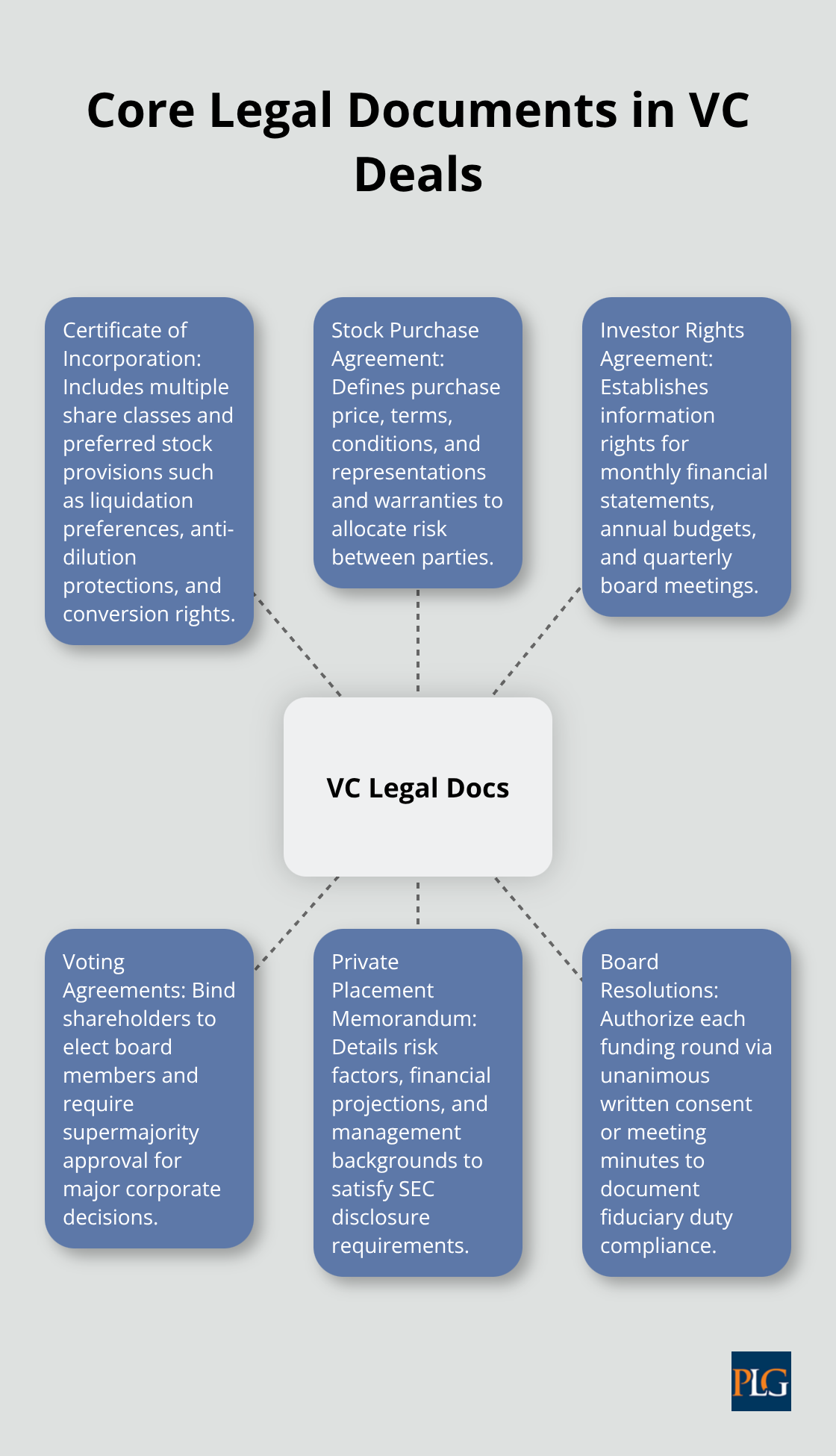
Venture capital transactions require precise legal structures that protect both investors and founders through multiple layers of documentation. Delaware C-Corporation formation serves as the foundation for 89% of venture-backed companies according to Cooley LLP data. This structure provides tax efficiency and investor-friendly governance frameworks. The Certificate of Incorporation must include multiple share classes with preferred stock provisions that accommodate liquidation preferences, anti-dilution protections, and conversion rights.
Corporate Formation Documents Set the Foundation
Stock Purchase Agreements typically span 40-80 pages and define purchase price, terms, conditions, representations, and warranties that allocate risk between parties. These agreements establish the legal framework for each investment round and specify investor rights. Delaware law provides predictable legal precedents that venture capitalists prefer when structuring complex transactions. The state’s Court of Chancery handles corporate disputes efficiently, which reduces legal uncertainty for all parties involved.
Securities Compliance Demands Rigorous Documentation
Securities laws govern every aspect of venture capital fundraising through Rule 506(b) and 506(c) exemptions under Regulation D. Private placement memorandums must include detailed risk factors, financial projections, and management backgrounds to satisfy SEC disclosure requirements. San Francisco startups that raise Series A rounds file Form D within 15 days of first sale and maintain investor accreditation documentation for all participants.
Investment advisers who manage over $150 million must register with the SEC and file quarterly 13F reports that disclose portfolio holdings. Board resolutions that authorize each funding round require unanimous written consent or formal meeting minutes that document director approval and fiduciary duty compliance.
Board Structure Determines Decision Authority
Investor Rights Agreements establish information rights that require monthly financial statements, annual budgets, and quarterly board meetings with detailed performance metrics. Standard board composition includes two founder directors, two investor directors, and one independent director for Series A companies. Voting agreements bind shareholders to elect specific board members and require supermajority approval for major corporate decisions (additional financing, executive hiring, and exit transactions).
Anti-dilution provisions protect investors through weighted average adjustments during down rounds while drag-along rights enable majority shareholders to force minority participation in acquisition offers above predetermined thresholds. These governance structures balance founder control with investor protection throughout the company’s growth trajectory.
Final Thoughts
Venture capital how does it work becomes clear when you examine the interconnected relationships between investors, founders, and legal frameworks that drive San Francisco’s innovation economy. The process demands sophisticated legal structures that balance risk allocation with growth potential through Delaware C-Corporation formations, securities compliance, and board governance mechanisms. Every successful venture transaction requires multiple stakeholders who work within precise regulatory boundaries.
General Partners manage institutional capital while Limited Partners provide the financial foundation for 10-year investment cycles. Legal documentation governs every aspect from initial term sheets through final exit strategies. The complexity of venture capital transactions makes professional legal guidance indispensable for all parties involved (founders need protection during equity dilution while investors require governance rights that safeguard their capital commitments).
Securities laws, board structures, and investor agreements create legal obligations that can significantly impact company outcomes. We at Primum Law Group provide comprehensive legal services for startups, investors, and executives who navigate venture capital transactions in San Francisco and Silicon Valley. Our team helps clients structure deals that protect their interests while they facilitate successful business growth.