

Startup legal advice in 2026 demands attention to forces reshaping how companies operate. AI regulation, employment law shifts, and funding requirements are moving faster than most founders anticipate.
We at Primum Law Group see startups in San Francisco and beyond facing unprecedented compliance pressures. Getting ahead of these changes now determines whether your startup thrives or stumbles.
AI Compliance Is No Longer Optional for Startups
AI regulation hit a turning point in 2025 and 2026. The European Union’s AI Act enforcement began in phases, with high-risk AI systems requiring compliance by early 2026. The U.S. followed with sector-specific rules rather than blanket regulation, but the effect remains the same: startups building AI tools face real legal consequences for non-compliance. The Federal Trade Commission has already issued guidance stating that AI systems used in hiring, lending, or consumer decisions require documented testing for bias and algorithmic transparency. This isn’t theoretical. Companies like OpenAI and Anthropic faced regulatory scrutiny that forced them to implement audit trails and impact assessments before they deployed new models. Your startup needs the same infrastructure, regardless of size.
What your startup must document right now
Start with an AI inventory. List every model, dataset, and algorithm your company uses. Document what data trains each system, who has access, and what decisions it influences. The EU AI Act requires high-risk systems to maintain technical documentation, training data records, and performance logs. Even if your startup operates only in the U.S., building this documentation now prevents costly scrambling later.
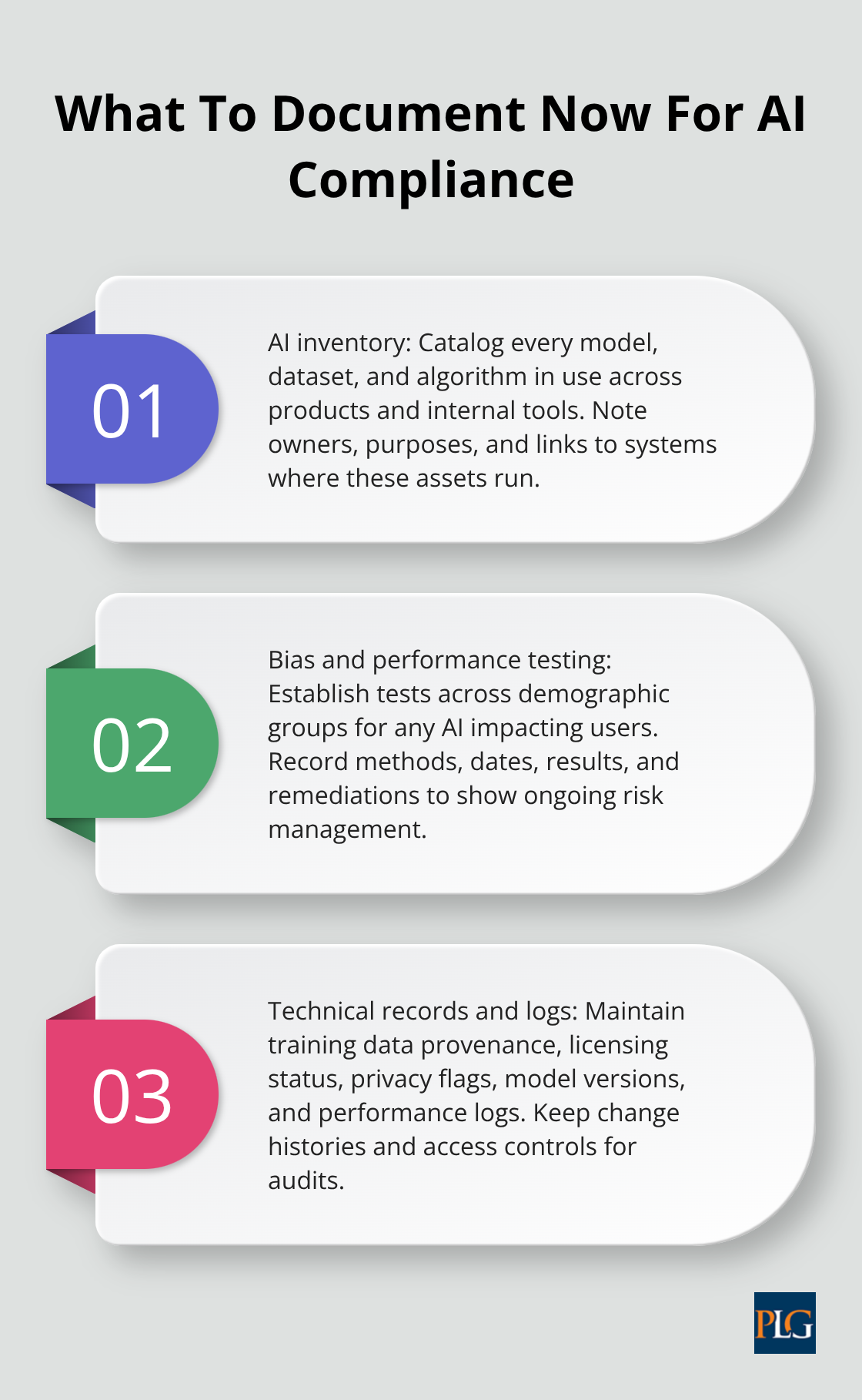
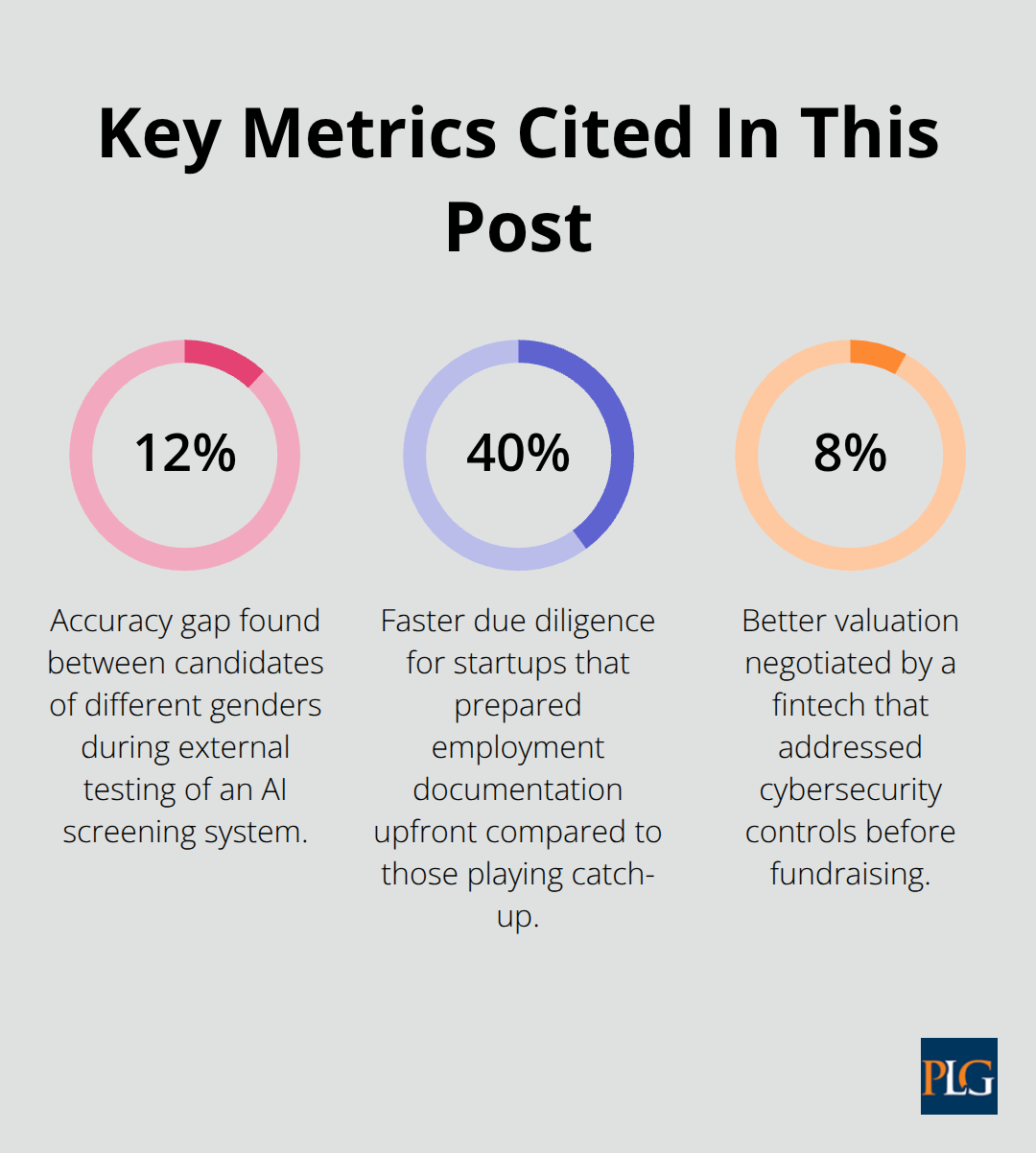
Next, conduct bias testing on any AI system that affects users. The NIST AI Risk Management Framework, released in January 2024, provides specific testing protocols. Your models need performance testing across demographic groups to identify disparities. A startup using AI for resume screening discovered a 12% accuracy gap between candidates of different genders only after external testing revealed it. That discovery came too late to prevent reputational damage.
Third, establish data governance. Know where your training data comes from, whether it’s licensed properly, and whether it contains personal information. The California Consumer Privacy Act and similar laws now explicitly cover AI training data. If your startup uses publicly available datasets, verify they don’t include copyrighted material or personal information without consent.
Algorithmic accountability means transparency, not perfection
Regulators don’t demand flawless AI. They demand compliance. This means explaining how your system works to users and regulators, not hiding behind black-box algorithms. The FTC’s 2023 enforcement actions against Amazon and other companies focused on deceptive AI practices, not technical imperfection. Your startup must disclose when AI makes decisions affecting users. If your product uses machine learning for recommendations, pricing, or eligibility, users need to know it.
Document why your system made specific decisions so you can explain them if questioned. Build an audit trail showing model versions, training dates, and performance metrics. When regulators ask questions, this documentation becomes your defense. A San Francisco fintech startup that implemented explainable AI features before regulators demanded them reported faster funding rounds because investors saw reduced compliance risk. Transparency became a competitive advantage.
Moving from AI compliance to employment law challenges
Your startup’s legal obligations extend far beyond AI systems. The employment landscape shifted dramatically in 2026, and misclassifying workers or mishandling equity compensation can expose your company to significant liability. Understanding these changes now protects your team and your bottom line.
Employment Law Shifts Hitting San Francisco Startups Hard
Remote work fundamentally changed how startups classify workers and calculate taxes, and 2026 brought real consequences for incorrect classification. The IRS and state tax authorities stopped treating remote workers as a gray area. A startup with five developers working from different states now faces separate payroll tax obligations in each state where those developers live. California imposes strict rules on remote worker classification. If your startup hired someone remotely and classified them as a contractor, the state’s presumption is that they’re actually an employee unless you meet specific tests. The California Department of Industrial Relations applies the ABC test, which assumes worker status unless your startup proves the worker operates independently, performs work outside the usual business, and maintains their own independent business. Most remote contractors fail this test.
A San Francisco SaaS company learned this lesson when California audited their 2025 payroll and assessed back taxes plus penalties totaling $340,000 for misclassifying four remote contractors as independent workers over two years. The company also owed unpaid workers’ compensation insurance premiums and unemployment taxes. Startups that address this now face far lower costs than those who wait until an audit forces action.
Stock Options and Equity Compensation Carry New Regulatory Weight
Equity compensation became significantly more regulated in 2026. The SEC increased scrutiny on how startups value shares for option grants, particularly for companies raising funding. If your startup grants options at a strike price below fair market value, the IRS treats the difference as immediate income to the employee, creating unexpected tax liability. A startup that granted options at $0.50 per share when fair market value was determined at $2.00 during a funding round created a $1.50 per share tax event for every employee. An engineer with 10,000 options suddenly owed taxes on $15,000 of imputed income, often before the company had any liquidity.
Many startups now use 409A valuations annually rather than every few years, which costs between $3,000 and $8,000 per valuation but prevents massive tax surprises. Startups that skip this step expose themselves to IRS challenges and employee lawsuits when workers discover unexpected tax bills. Stock option plans also face new documentation requirements in several states. Delaware and California now require explicit written agreements outlining vesting schedules, acceleration provisions, and what happens if an employee leaves. Verbal agreements or informal equity promises don’t hold up anymore.
Your startup needs documented equity plans that clearly specify whether options vest over four years with a one-year cliff, and whether leaving triggers forfeiture or acceleration. Startups lose critical talent because equity terms were never documented clearly enough to survive a dispute. The cost of drafting proper equity documentation upfront is negligible compared to litigation over disputed equity claims later.
Contractor Misclassification Remains the Riskiest Employment Mistake
Misclassifying employees as contractors continues to trigger the largest penalties for startups, and the risk intensified in 2026. State labor boards and the IRS actively audit startups, particularly in tech hubs like San Francisco. The financial exposure is brutal: back payroll taxes, unemployment insurance contributions, workers’ compensation premiums, plus penalties ranging from $5,000 to $15,000 per misclassified worker. If your startup has even three misclassified contractors, you’re looking at potential exposure exceeding $100,000.
The distinction hinges on control. If your startup sets hours, assigns specific projects, provides equipment, or requires exclusive work, that person is likely an employee regardless of what the contract says. A San Francisco startup that hired product developers as contractors while assigning them daily stand-ups, sprint cycles, and performance reviews lost an audit. The state determined these developers were employees, and the startup paid over $280,000 in back taxes and penalties. The company also faced reputational harm and lost two of those developers to other companies.
Startups often misclassify to reduce payroll costs, but the math doesn’t work. Paying employment taxes on a $100,000 salary costs roughly $15,000 to $18,000 annually. Misclassifying that person and then facing an audit costs far more. The safer approach is to classify anyone working regularly for your startup as an employee unless they operate a genuinely independent business, serve multiple clients, and control how they do the work. When in doubt, classify as an employee.
Funding Rounds Intensify Employment Law Scrutiny
Venture capital investors now conduct deeper employment law reviews during due diligence. Investors want assurance that your startup has classified workers correctly, documented equity properly, and complied with state employment laws. A single misclassification or undocumented equity grant can delay funding or reduce valuation. Investors view employment law compliance as a proxy for overall operational discipline. Startups that address these issues before fundraising move faster through due diligence and negotiate from stronger positions. The next section covers how funding rounds themselves have shifted, with new legal requirements that affect your capital strategy.
Venture Capital Due Diligence and Cybersecurity Requirements in San Francisco Funding Rounds
Investors Now Demand Employment Law Compliance Before Capital Transfers
Venture capital investors in 2026 conduct employment law reviews with the same rigor they apply to financial audits, and most startups fail these inspections badly. Investors now demand documented proof that your startup classified workers correctly, obtained proper 409A valuations, and complied with state employment laws before they commit capital. This shift happened because investors learned the hard way: a startup that misclassified workers or failed to document equity agreements can face six-figure liability that directly reduces the company’s value.
Sand Hill Road investors now require startups to complete employment law compliance questionnaires during initial due diligence, before term sheets arrive. A San Francisco venture firm managing $2.3 billion in assets began requiring all portfolio companies to provide evidence of correct worker classification, documented equity plans, and state compliance certifications starting in 2025. Companies that lacked this documentation faced funding delays averaging 6 to 8 weeks while they scrambled to get compliant. Startups that prepared this documentation upfront moved through due diligence 40% faster than those playing catch-up.
Why Operational Maturity Determines Investor Confidence
Investors view employment law compliance as a proxy for operational maturity. If you cannot get worker classification right, they assume you will mismanage other critical areas too. The practical action here is straightforward: before approaching investors, conduct an internal employment law audit. Classify every person on your team using the ABC test California applies. Document your equity plan with explicit vesting schedules, strike prices, and 409A valuations. Gather proof of compliance with state wage and hour laws, paid leave requirements, and independent contractor regulations.
This documentation costs $8,000 to $15,000 when done proactively but saves months of due diligence delays and positions your startup as operationally disciplined. Investors move faster through due diligence when they see clean employment records and proper documentation. The investment closes sooner, and your startup avoids the operational disruption that comes from scrambling to fix compliance issues mid-fundraising.
Cybersecurity Requirements Now Appear in Term Sheets
Anti-dilution provisions and term sheet negotiations have shifted dramatically, with investors now embedding cybersecurity compliance requirements directly into funding agreements. Investors demand proof that your startup implements specific security controls before they transfer capital, and failure to meet these standards can trigger funding delays or valuation reductions. The venture industry adopted these requirements after high-profile breaches at portfolio companies exposed investor funds to secondary liability.
Cybersecurity requirements in term sheets typically include mandatory multi-factor authentication for all systems, annual security audits from third-party firms, encryption of sensitive data, and incident response plans with specific notification timelines. A startup that raised $5 million from a prominent Sand Hill Road firm discovered after signing term sheets that the investors required SOC 2 Type II compliance within six months of funding. The startup had not budgeted for this audit, which costs $25,000 to $50,000 depending on complexity, and the compliance timeline created operational pressure that delayed product development.
How to Navigate Cybersecurity Expectations Before Signing
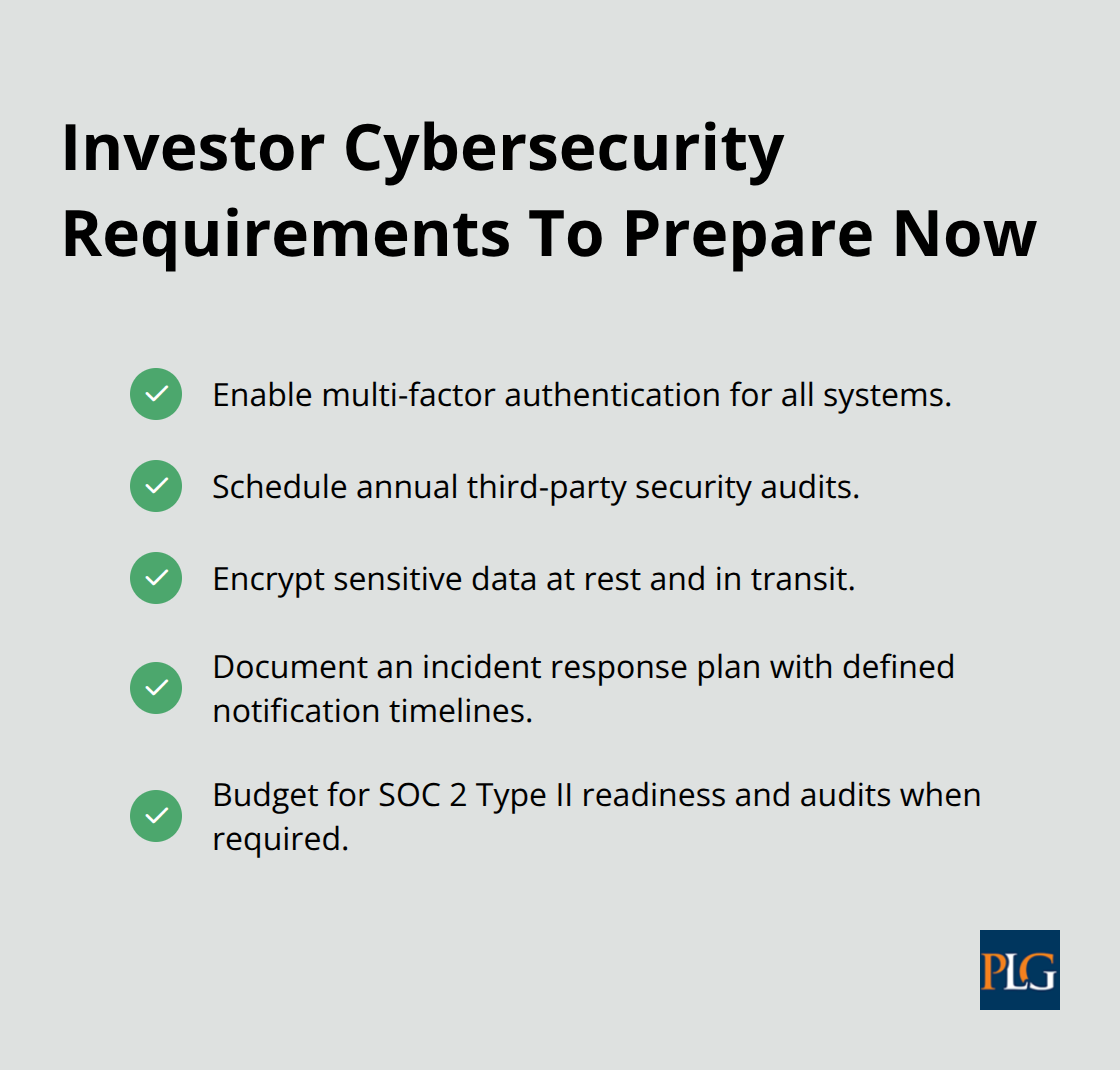
Startups now need to understand their investor’s cybersecurity expectations before entering term sheet negotiations. Request the investor’s standard security requirements in writing during initial conversations. If your startup lacks certain controls, budget for implementation before closing. A San Francisco fintech startup that implemented multi-factor authentication, conducted a third-party security audit, and documented an incident response plan before fundraising closed their Series A three weeks faster than comparable startups and negotiated 8% better valuation because investors viewed them as lower risk.
The practical lesson is simple: cybersecurity compliance is no longer optional negotiation territory. It is a hard requirement embedded in modern term sheets, and startups that address it proactively eliminate a major source of post-signing friction and valuation pressure. Investors expect your startup to have these controls in place or to have a clear timeline and budget for implementation. Startups that demonstrate this readiness move through due diligence faster and close funding on better terms.
Final Thoughts
The legal landscape for startups in 2026 demands action, not waiting. AI compliance, employment law shifts, and investor scrutiny have moved from theoretical concerns to immediate operational requirements. Startups that address these issues now avoid the costly penalties, funding delays, and reputational damage that catch unprepared founders off guard. Your startup legal advice for 2026 boils down to three concrete priorities: document your AI systems thoroughly if you build or deploy machine learning tools, classify your workers correctly and establish proper equity documentation before investors ask for it, and implement the cybersecurity controls your future investors will demand.
The cost of proactive compliance remains manageable. A 409A valuation runs $3,000 to $8,000, employment law documentation costs $8,000 to $15,000, and security audits range from $25,000 to $50,000 (these investments pale against the six-figure penalties and funding delays that result from ignoring these requirements). Startups that treat compliance as a competitive advantage rather than a burden move through investor due diligence faster, negotiate better terms, and avoid the operational disruption that comes from scrambling to fix problems mid-fundraising.
We at Primum Law Group work with startups to build compliance infrastructure that supports growth rather than constraining it. Our team provides outsourced general counsel and startup counseling tailored to your specific stage and risk profile. If your startup needs guidance on any of these 2026 legal priorities, reach out to discuss how we can help you build a compliant foundation for scaling.